
In the world of emotional and relational wellness, boundaries are often talked about — but rarely explained in ways that truly feel clear. At their core, boundaries are the invisible lines that define where you end and another person begins — emotionally, physically, mentally, and spiritually.
Healthy boundaries help us stay connected to others without losing ourselves. But when we’ve been hurt, abandoned, or raised without healthy models, boundaries can become confusing, rigid, or non-existent.
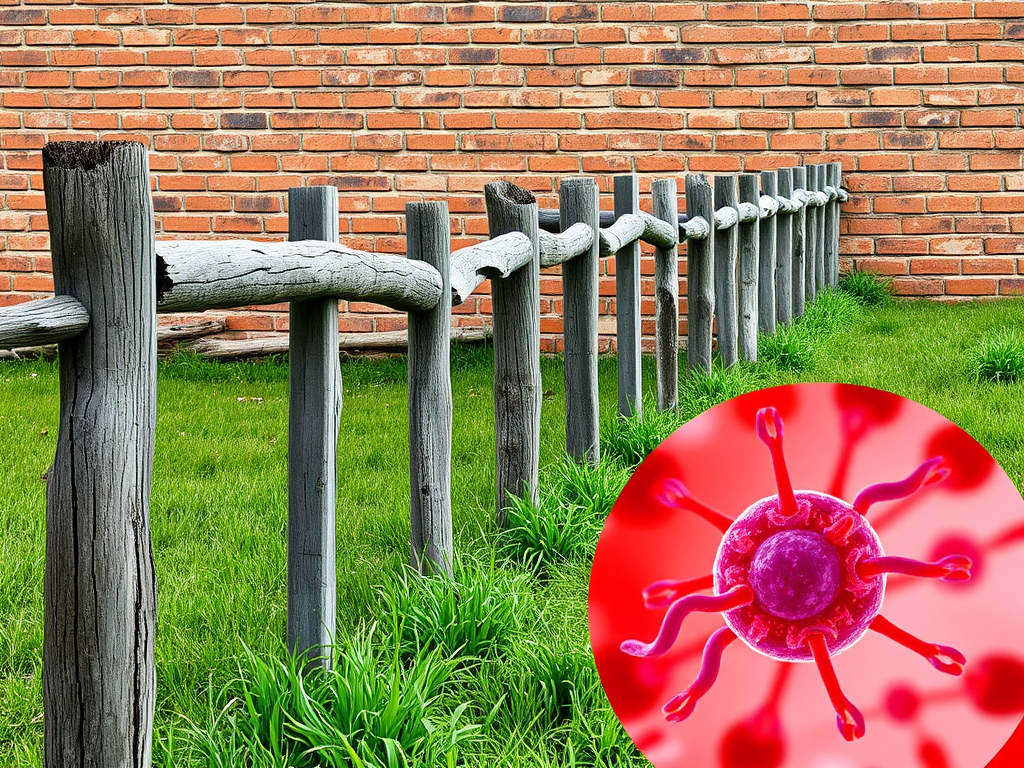
Let’s explore three powerful metaphors to understand boundaries more deeply: brick walls, paddock fencing, and blood cells. Each represents a different way we might relate to others — and to ourselves.
1. The Brick Wall — Protective, Non-Negotiable, Sometimes Essential
Imagine a thick, solid brick wall. It’s high. It’s heavy. No one can see through it, and no one can get in or out. From the outside, it may look rigid or extreme — but from the inside, it often feels safe and necessary.
Brick walls are sometimes the wisest and most self-respecting boundary we can choose.
You may have tried to be open, communicative, or flexible in your boundaries — like a paddock fence or a blood cell membrane — only to be ignored, manipulated, or disrespected. When people don’t listen to your clear “no,” when they test or violate your boundaries repeatedly, when safety becomes a concern — you are absolutely allowed to build a wall.
Brick wall boundaries say:
- “No more discussion.”
- “This topic is closed.”
- “You no longer have access to me.”
- “I am no longer available for engagement that hurts me.”
These boundaries are not about punishment — they are about protection. Especially in the aftermath of trauma, abuse, or chronic invalidation, brick walls become a form of reclaiming agency. They offer containment and safety while your nervous system heals.
Sometimes, brick walls are temporary — giving you space to regroup, recover, and rebuild trust. Other times, they are permanent — especially when the relationship or situation continues to pose a threat to your well-being.
Healthy use of brick wall boundaries might look like:
- Cutting contact with someone who continues to harm you, even after clear communication.
- Withholding emotional vulnerability from people who use it against you.
- Keeping distance from environments that consistently leave you drained or unsafe.
- Firmly disengaging from conversations that turn hostile, manipulative, or boundary-pushing.
And while brick walls can be life-saving, they may also, over time, become isolating if used without reflection. If no one can get in — even safe, loving people — we may start to feel lonely or emotionally cut off. Like all boundaries, they work best when used intentionally, with compassion for ourselves and discernment about others.
A brick wall is not a failure to connect — it is often the result of trying too many times without being heard. You get to decide when — or if — you lower it.
2. The Paddock Fence — Clear, Semi-Permeable, Respectful
Now picture a paddock fence — the kind you’d see around a field. It marks a boundary clearly. It says, “This is my space, and that is yours.” But it’s also see-through. You can look over it, talk through it, even lean on it. If someone wants to climb it — or if you do — it’s possible, but not sneaky. Everyone sees it happening.
This is what healthy, flexible boundaries often look like.
Signs you’re using paddock fence boundaries:
- You’re able to say no, and also say yes — without guilt.
- You let people into your emotional world, but not without discernment.
- You can stay connected to others and stay grounded in yourself.
- You’re open, but not wide open — and you’re not shut down either.
Paddock fencing allows for intimacy and individuality to coexist. There’s room for closeness, but also respect. It makes consent and communication visible. This is often the goal in therapy — not to have no boundaries, and not to be walled off, but to stand firmly in your space while staying open to others.
This kind of boundary requires both self-awareness and mutual respect. It says, “I see you, and I want to be seen too — but we both stay in our own fields.”
3. The Blood Cell — Intelligent, Dynamic, Responsive
Finally, think of a blood cell. It has a semi-permeable membrane — meaning it filters. It lets in what supports it (like oxygen and nutrients) and rejects what could harm it (like viruses or toxins). It doesn’t just react; it assesses and responds.
This metaphor speaks to intuitive, relational boundaries. It represents the kind of boundary system that comes from deep self-awareness, emotional attunement, and body wisdom.
What blood cell boundaries might look like:
- You can sense when someone is draining your energy, and you shift accordingly.
- You trust your gut when a situation feels “off,” even if others don’t see it.
- You let people close when it feels right — not out of obligation.
- You can “filter out” criticism that doesn’t belong to you, and keep the feedback that helps you grow.
Blood cell boundaries are dynamic. They don’t rely on rigid rules, but on responsiveness. These boundaries come from knowing who you are, what you value, and how your nervous system feels in connection with others.
They can evolve with time, healing, and insight. They’re often a sign of deep internal trust — the trust that says, “I can let others in without losing myself.”
Why These Metaphors Matter
We aren’t born knowing how to create boundaries. They’re shaped by our experiences — especially in early relationships. If your caregivers didn’t respect your boundaries, or modelled poor ones themselves, it makes sense that your own boundaries might need care and reconstruction.
But the good news is: boundaries can be learned, practiced, and healed.
You might need a brick wall right now — and that’s okay. You might be working toward a paddock fence. You might be cultivating the deep wisdom of a blood cell. Wherever you are, it’s part of the process.
Boundaries are not about keeping people out — they’re about keeping you intact.
Healthy boundaries are a gift to both you and the people in your life. They make room for love, respect, truth, and safety — not just for others, but for yourself.
Whether you’re building a gate, reinforcing a fence, or listening to the quiet intelligence of your own internal membrane, remember: you are allowed to take up space, and you are allowed to protect it.
 Amy Madden